Wednesday, December 2, 2015

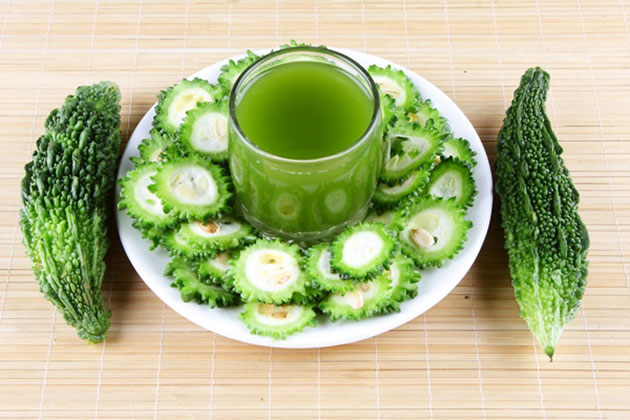
10 Benefits of Bitter Melon That Makes It Even More Worth Eating

bitter gourd melon teaCheck out this article I got from Life Hack. Learn about the many benefits of bitter melon tea. Enjoy reading below.

Bitter melon, or Goya, is commonly used for beneficial health reasons. Bitter melon is also referred to as bitter gourd, Karela, or Balsam Pear. The melon has an extremely bitter taste, but it is a helpful food. Bitter melon is commonly added to stir-fry, or may be enjoyed stuffed. It may also be added to the diet as a supplement. In order to receive the full health benefits, find and cook the melon regularly.

Here’s some sweet information you need to know about this bitter vegetable:

1. Type II Diabetes

1-blood

Some studies have shown that bitter melon lowers blood sugar through increased metabolism of glucose. Drink one cup daily. Try this recipe to receive the full benefit of the fruit. As with any changes to your diet, be sure you consult you physician. Stop use if you’re experiencing abdominal pain, diarrhea, or fever. Monitor blood sugar regularly and adjust medications as necessary, with the assistance of your doctor.

2. Kidney Stones
A kidney stone is an extremely painful medical condition. Bitter melon can be helpful in ridding the body of kidney stones through naturally breaking them down. Bitter melon reduces high acid that help produce painful kidney stones. Infuse bitter melon powder with water to create a healthful tea. This tea has a nutty flavor and, surprisingly, does not require sweetening.

3. Lower Cholesterol
Help lower dangerous cholesterol levels with bitter melon. Reducing cholesterol significantly reduces heart attack, heart disease, and stroke. The added benefit is that bitter melon is completely natural in working with the body to prevent these health risks. High cholesterol can only be diagnosed with a blood test. Try Bitter Melon Delight to reap the reward of this surprising health benefit.

4. Pancreatic Cancer
One of the most surprising health benefits of bitter melon is its anti-cancer properties. Bitter melon has been shown to disrupt the production of glucose, potentially inhibiting the growth of pancreatic cancer cells. Try these bitter melon juice recipes for a touch of variety and to reap the full health reward of this unusual melon. Bitter melon may also starve other cancerous cells in the liver, colon, breast, or prostate.

5. Skin Benefits
Foods or drink taken from this melon benefit the skin. Taken regularly, bitter melon is said to have a “glowing” effect on the skin and is helpful in treating acne, psoriasis, and eczema. Experience natural and soothing relief with bitter melon. Try bitter melon soup for relief of any of these skin conditions or for more beautiful skin. An added benefit is that bitter melon is a blood-purifying agent.

6. Weight Loss
As is common with most plants, bitter melon is extremely low in calories and very filling. Lose, or maintain a healthy weight, with bitter melon. Prepare stuffed bitter melon to enjoy this benefit.The same properties that aid against Type II Diabetes also assist in health weigh loss and maintenance. The melon is very high in nutrients, which is another reason it’s so beneficial in weight loss.

7. Liver Tonic
There are several benefits of regularly consuming a liver tonic. A tonic aids in digestion, improves gallbladder function, and lowers fluid retention. Cirrhosis of the liver, hepatitis, and constipation may be relieved with a bitter melon liver tonic. Drink a bitter melon juice at least once a day to enjoy the benefits. A liver tonic is also aids in weight loss, and may relieve the symptoms of irritable bowel system.

8. Carbohydrate Digestion
This is a very important benefit for those who have Type II Diabetes. Carbohydrates turn to sugar, and bitter melon metabolizes the sugars. Faster metabolism of carbohydrates means that less fat is stored in the body which leads to weight loss, and healthy weight maintenance. Proper carbohydrate digestion also aids in muscle growth and development. A Bitter Melon Stir-Fry is just the ticket for the many benefits of bitter melon.

9. Vitamin-K Source
Vitamin-K contributes to bone health, blood-clotting, and is an anti-inflammatory. Those suffering from arthritis can experience lower pain and inflammation in the joints through increasing Vitamin-K. No-Fry Karela Crispies are a delicious way to add Vitamin-K to your diet. The addition of bitter melon satisfies your body’s daily nutritional need for Vitamin-K. Also, the addition of bitter melon is a great source for dietary fiber.

10. Increased Immunity
A healthy immune system is vital for fending off potential infections and diseases. Add this delicious and easily prepared Bitter Melon Stir-Fry for this added health benefit. Stop or prevent a cold instantly in its tracks while benefiting the digestive system. Prevent or curb food allergies, and get rid of yeast infections, naturally. An added bonus of bitter melon is relief of acid reflux and indigestion.

Source: http://www.lifehack.org/articles/lifestyle/10-benefits-bitter-melon-that-makes-even-more-worth-eating.html

More information about bitter melon tea http://www.bittermelontea.net/
http://www.bittermelontea.net/immune-system/ bitter melon tea for immune system http://www.bittermelontea.net/digestion/ how to make bitter melon tea for digestion http://www.bittermelontea.net/health-benefits/ bitter melon tea recipe benefits
http://www.scoop.it/t/tealifestyle/p/4054970329/2015/11/12/ginger-root-tea


Tuesday, December 1, 2015

Pau d’ Arco Benefits Range From Reducing Obesity to Heart Disease

pau d arcoDid you know…that a traditional herbal remedy from the bark of an ancient tree called Pau d’ Arco not only reduces obesity, but also cuts your risk of type II diabetes and coronary heart disease?

Tabebuia impetiginosa or Pau d’ Arco is a deciduous tree native to Central and South America. In herbal medicine around the world, the bark and wood of this tree are considered to have properties that are…astringent, anti-inflammatory, antibacterial, antiviral, and anti-fungal.

Pau d’ Arco additional properties include: anti-parasitic, antimicrobial, laxative, analgesic, antioxidant, and anti-cancerous.

Now, German scientists have confirmed that extracts of Tabebuia inhibit absorption of dietary fat, and might reduce obesity, heart disease, and diabetes.

The German study of Tabebuia was led by Dr. Nils Roos from the Max Rubner Institute. The study showed that a Tabebuia extract reduced blood triglycerides (a harmful byproduct of fat breakdown) in rats that had been fed a fatty meal.

“This result shows the extract may have a potential use in treating obesity,” said Dr. Roos. “However, as coronary heart disease and diabetes have also been shown to be associated with higher triglyceride levels after eating, we believe a food-supplement based on Tabebuia could reduce the incidence of these diseases, as well.”

Pau d’ Arco The “Mother Tree” of Traditional Remedies for Strength and Vigor

Tabebuia or Pau d’ Arco has a long and well-documented history of medicinal use by the tribes of the rainforest. The Guarani and Tupi Indians call the Tabebuia tree tajy, meaning “to have strength and vigor.”

Traditional remedies drawn from Tabebuia are known by various names including Pau d’arco, lepacho, and pink ipĂȘ, among others, and contain naturally occurring and powerful phytochemicals including lapachol (a therapeutic, healing, naphthoquinone).

Throughout the Amazon, Tabebuia extracts have been used to treat conditions such as…

• Malaria
• Anemia
• Colitis
• Respiratory problems
• Colds, cough, and flu
• Fungal infections
• Fever
• Arthritis and rheumatism
• Snakebite
• Poor circulation
• Boils
• Syphilis
• Cancer

In Europe and the United States, Tabebuia-based supplements are most commonly known as Pau d’ Arco, and are used in herbal medicine to treat…

  • Lupus
  • Diabetes
  • Ulcers
  • Leukemia
  • Allergies
  • Liver disease
  • Hodgkin’s disease
  • Osteomyelitis
  • Parkinson’s disease
  • Psoriasis
  • Candida
  • Yeast infections

Source: http://undergroundhealthreporter.com/pau-d-arco-benefits/#ixzz3sMs4GSh7

Read more information about pau d’arco tea http://www.paudarcotea.org/
http://www.paudarcotea.org/liver/ pau d arco tea benefits to liver
http://www.paudarcotea.org/diabetes/ pau d arco tea benefits to diabetes
http://www.paudarcotea.org/bleached-tea-bags/bleach-free pau d arco tea health benefits
http://www.scoop.it/t/tealifestyle/p/4054968997/2015/11/11/what-is-reishi-mushroom-tea


Benefits of Linden Flower Tea

linden tea benefitsLinden flower tea enjoy the benefits of linden flower tea is oreade from dried linden flowers and bracts, which come from the Tilia Europaea tree (commonly known as lime tree).

While it is not really tea (it doesn’t come from the tea plant nor does it contain caffeine), it’s a fairly well-known herbal tea used as a relaxation drink or as a way to prevent insomnia.

Before you start to consume linden flower tea, please read the information below to find out if it is right for you. We’ll also discuss how to make it and how often you should drink this healthy tea.

Health Benefits of Linden Flowers

Linden flowers, when steeped, taste delicious and mildly sweet. They offer a wide range of health benefits:

  • Those who suffer from mental fatigue will find this tea rejuvenating.
  • Linden flowers contain antioxidants called flavonoids that help prevent damage caused by free-radicals in your body.
  • Linden flowers also contain tannins that helps promote healthy digestion and relieve constipation.
  • It can help prevent insomnia, especially when taken 30 minutes before bedtime.
  • If you suffer from migraine caused by hypertension, linden tea may help treat your migraines.
  • Some people use linden flower in their bath water to reduce anxiety or hysteria.
  • Hoffmann documented its use in Medical Herbalism as a relaxing remedy for nervous tension.
  • In A Modern Herbal, published in 1992, Maud Grieve refers to its use for treating hysteria, nervous vomiting and palpitations.
  • When you drink it hot, linden tea will raise your body temperature slightly, which can promote sweating and help your body fight against infections.

How to Make Linden Flower Tea

loose linden flower tealoose linden flower tea
Preparing linden flower or lime tree flower tea is easy. If you purchased bagged Linden flower tea, follow the instructions, which should be similar to this:

  • Bring water to a boil.
  • Pour one cup of water over bag and let steep for 10 to 30 minutes, depending on desired strength. 20 minutes is typical.
  • Drink cold or hot while relaxing.
  • Repeat up to 3 times per day.
  • If you purchase loose linden flowers tea, the recommended flower/leaf to water ratio is 1 teaspoon (5 ml) of herbal tea per cup (250 ml) of water.

Precautions to Take With This Herbal Tea

As always, this particular relaxation herb may not be suitable for all people, especially if you are currently taking certain medications.

Please talk to your health care professional before deciding to drink this herbal tea regularly.

Here are some precautions to take:

  • People with anemia should not consume this herbal tea with iron supplements or with their meals as it may reduce how much iron is absorbed by their body.
  • Pregnant women should avoid this herbal tea near the end of term as linden flowers could have a thinning effect on blood, which may lead to increased postpartum bleeding.
  • Use “fresh” tea from a reliable supplier. To ensure you get the desired health benefits, always use fresh and high-quality linden tea.
  • Don’t drive after drinking this tea. Because it will cause drowsiness, don’t drink this tea before driving or taking part in other activities that require your full attention.
  • People with heart disease should consult their doctor before taking this herbal tea.

Source: http://relaxationathome.com/benefits-of-linden-flower-tea/

More information about how to make linden tea http://www.lindentea.net/
http://www.lindentea.net/Bleach-Free-Tea-Bags/ bleach-free linden leaves tea bags benefits http://www.lindentea.net/Flavonoids/ linden tea and flavonoids
http://www.lindentea.net/Anxiety/ where to buy linden tea for anxiety
http://www.scoop.it/t/tealifestyle/p/4054968987/2015/11/11/valerian-tea


Monday, November 30, 2015

Benefits of having tea with ginger

Here are some of the benefits the tea with ginger can have in our health.
-It help to improve the digestive system of the body. When you have a bit more food during meal or dinner then take a cup of tea along with ginger in it.
-It also help to reduce the pain or burning sensation of the body. Use of ginger is also beneficial to the joint or muscles pain.

-Before travelling drinking a cup of tea with ginger can help to prevent form vomiting or other sickness during the travelling. You can also have the tea with the ginger even when you are feeling relief.
-Ginger has vitamins and minerals along with amino acid which can improve the blood circulation in the body. the problem related to the heart conditions can be reduced with the use of tea with the ginger.
-Tea with ginger an also help to cure the problem theta occurs during the masturbation [period in women. It can reduce the pain that occurs during menstruation period.

-It also help to cure the problem related to the respiration. When you have cold taking tea with ginger can be beneficial.
-It help to remove the tiredness of the body. the strong chemical that is formed by tea and ginger is very beneficial according to the specialist.
-It also help to boost up the diseases resistance capacity in the body. Ginger have got very high level of antioxidant which increase the resistence power in the body.
– See more at: http://medianp.net/benefits-of-having-tea-with-ginger/


Benefits Of Green Tea

You have probably heard some of the stories about Green Tea and Weight Loss, but there are so many other benefits that most people ignore, or that they are just completely unaware of.
Green tea contains the highest concentration of powerful antioxidants called polyphenols.  Antioxidants are substances that get rid of free radicals which are damaging compounds in the body that alter cells, mess with our DNA (genetic material), and even cause cell death.  Free radicals occur naturally in the body, but environmental toxins (including ultraviolet rays from the sun, radiation, cigarette smoke, and air pollution) also give rise to these damaging particles.
Many scientists believe that free radicals contribute to the aging process as well as the development of a number of health problems, including cancer and heart disease.  Antioxidants such as polyphenols in green tea can neutralize free radicals and may reduce or even help prevent some of the damage they cause keeping us strong, healthy and ward off aging.

Atherosclerosis

This is a condition where the artery walls thicken from the accumulation of fats such as cholesterol.  Clinical studies indicate that the antioxidant properties of green tea may help prevent Atherosclerosis, particularly Coronary Artery Disease.  Researchers estimate that the chance of heart attack decreases by 11% by drinking 3 cups of tea per day.

 Read More :  http://thescienceofeating.com/2015/02/19/benefits-green-tea/

Thursday, November 19, 2015

The Incredible Story Behind San Antonio's Japanese Tea Garden

You may wonder why the ornate entry gate at San Antonio’s Japanese Tea Garden instead says “Chinese Tea Garden.” The reason links back to a Japanese-American family who once lived in the garden, and altered forever by dramatic events in World War II. The story is a fascinating one, and begins back in 1908 when the future Japanese Tea Garden was just a great big, gaping hole in the ground. It was the remnants of a cement quarry.
“That was the first cement plant west of the Mississippi River, so it was quite a thing in its day,” says San Antonio Parks Operation Supervisor Don Pylant. He says that when the  seven-acre quarry played out, Parks Commissioner Ray Lambert planned to re-design it into a water lily garden. Lambert shared the idea with a Japanese American friend, Eizo "Kimi" Jingu,  who was an artist and a tea importer. He was also a man of ideas.
“My suspicion is that perhaps they consulted on the design of the tea gardens and maybe that’s how it morphed from the municipal water lily garden into the Japanese Tea Garden,” Pylant says.
So the lily pond became a tea garden, with limestone bridges, stone-lined walkways, Japanese Koi ponds, a huge pagoda and a 60-foot waterfall. Then Lambert offered Kimi a deal.
“He said, 'If I build you a home in the Tea Gardens will you come move there and stay there and help take care of it?' And he said yes.”
Kimi and wife Myoshi moved their young family into the stone home. Five of their six girls and two boys were born there and grew up with the garden as their back yard. The Jingus opened the Bamboo Room Restaurant, serving light lunches and tea. The garden became a popular tourist spot, with the family’s Japanese culture on display as their kimono-wearing daughters served visitors.
Barb Yamadera Cabot is the Jingus' granddaughter. She lives in California, but was raised hearing her mother’s remarkable stories of living in the gardens just a block from the city zoo.
"My mom would say all the time when we’d hear the lions roar that we knew it was going to rain, because the lions were roaring so loud. But can you imagine living in a place like that?"
When a monkey escaped from the zoo and showed up at the garden, one of the girls gave him chewing gum.
"And so when they’d pass the monkey, when he was back in the zoo, he’d look at them and he’d chomp like he was chewing gum. I think he remembered them!" Cabot laughs.
Life in the gardens seemed idyllic until 1938, when father Kimi died suddenly from a heart attack. His widow and children stayed on, but three years later, tragedy again visited the Jingus. Japan attacked Pearl Harbor in 1941.
The United States quickly entered the war and anti-Japanese sentiment ran rampant. More than 100,000 Japanese-Americans were placed in internment camps, mostly on the west coast. While that didn’t happen to the Jingus, the city of San Antonio told them to leave the Tea Garden. Even though son Jimmy joined the Army, earning a Purple Heart, Cabot says the family was no longer welcome in the garden.

Read More Here : http://tpr.org/post/incredible-story-behind-san-antonios-japanese-tea-garden#stream/0

Tuesday, November 10, 2015

TOP 15 HOME REMEDIES USING TEA

Tea RemediesTea is perhaps one of the best known beverages known in Indian households. Sip it hot or relish a tumbler of ice-cold tea, drinking tea is always refreshing. But did you know that tea can be used for treating a variety of problems at home? Keep reading to know the top fifteen home remedies that involve the use of tea.

Sunburn relief: Did you know that wet tea bags are effective in soothing sunburns? For a complete body sunburn treatment, the best idea would be to prepare a tea bath and soak in its goodness.

Tired eyes: Tired eyes look puffy and dull. So, why don’t you soothe them with some wet tea bags? Indeed, tea bags are very efficient in relieving tired eyes, almost as competent as cucumber slices and slices of potato! Your eyes would instantly brighten up.

Drain boils and blisters: If you are suffering from a painful boil, all you must do is to cover the boil with a tea bag and leave it on overnight. The boil will be drained painlessly. In fact, it is also said that a similar treatment using hot tea bags would help in drawing out infections from canker sores and blisters.

Toothache: Suffering from pain in gums and tooth ache? Prepare peppermint tea and add a pinch of salt. Use this antiseptic natural mouthwash for soothing the ache.

Bleeding gums: If your child has lost a tooth and is experiencing bleeding gums, put a wet tea bag (cold) in the mouth, on the area where he or she has lost the tooth. This treatment would help in reducing the bleeding and soothing pain.

Foot Odor: Well, if foot odour seems to be a perennial reason for embarrassment, make sure that you soak your feet in a tub of strongly brewed tea, everyday for about twenty minutes. This practice will surely relax your feet and help you get rid of that unwanted stick!

Bad breath: Gargling several times a day with strong tea can be useful in preventing bad breath.

Menstrual Cramps: Chamomile tea increases glycine levels, an amino acid that calms muscle spasms, thereby reducing the pain caused by stomach and back aches as well as helping to reduce and even relieve menstrual cramps in women.

Cold and Flu: Ginger can stimulate your circulation, which will help your body get rid of a cold faster. It’s also been shown to reduce nausea. To make the tea, mix 2/3 cup of boiling water with 2 teaspoons of grated ginger and 1 teaspoons of honey.

Stuffy Nose: If you have stuffy nose then a cup of warm tea can ease the pain and discomfort. Hot tea, particularly sage tea, may reduce the blockage in your nose.

Sore throat: Teas can help ease sore throats. Hot tea like ginger tea can give a lot of relief from an achy and sore throat. Toss some ginger flakes in your regular tea and allow the tea to brew in the ginger for 5 minutes. The ginger tea will help to soothe the throat and give relief from an achy and sore throat.

Headaches: Herbal tea is helpful in reducing headaches and migraines. A warm cup of herbal tea made with peppermint, vervain or lemon balm will relieve a headache.

Gas and bloating: Ginger tea is also a natural remedy for heart burn, as well as helps relieve stomach gas and bloating.

Read more information here: http://theindianspot.com/home-remedies-using-tea/

The article TOP 15 HOME REMEDIES USING TEA first appeared in The Indian Spot.